The PET flakes washing process is the core of PET bottle recycling. Whether you are producing flakes for fiber, sheet, or pelletizing, the final quality depends on how well each stage of the PET bottle washing line is designed and controlled.
This guide explains a complete plastic bottle washing process, using real production conditions, from compressed bottles to clean, dry PET flakes.
Bale Breaking and Feeding
The PET flakes washing process begins with compressed PET bottle bales. A bale breaker opens the compacted material and ensures a steady, uniform feed into the recycling line.
At this stage, large contaminants such as metal, stones, and oversized waste can be removed to protect downstream equipment.
Label Removing and Sorting
In the early stage of the PET bottle washing line, bottles are first processed by a PET bottle label remover machine to remove most labels, especially PVC, which can severely affect final flake quality.
Sorting is then carried out through manual inspection combined with air separation. For smaller capacities (0.5–1 t/h), a standard air separator is typically sufficient. For larger systems (2 t/h and above), an air classifier provides more stable and efficient removal of light materials such as labels and dust.
Proper handling at this stage significantly improves the efficiency of the entire PET flakes washing process.
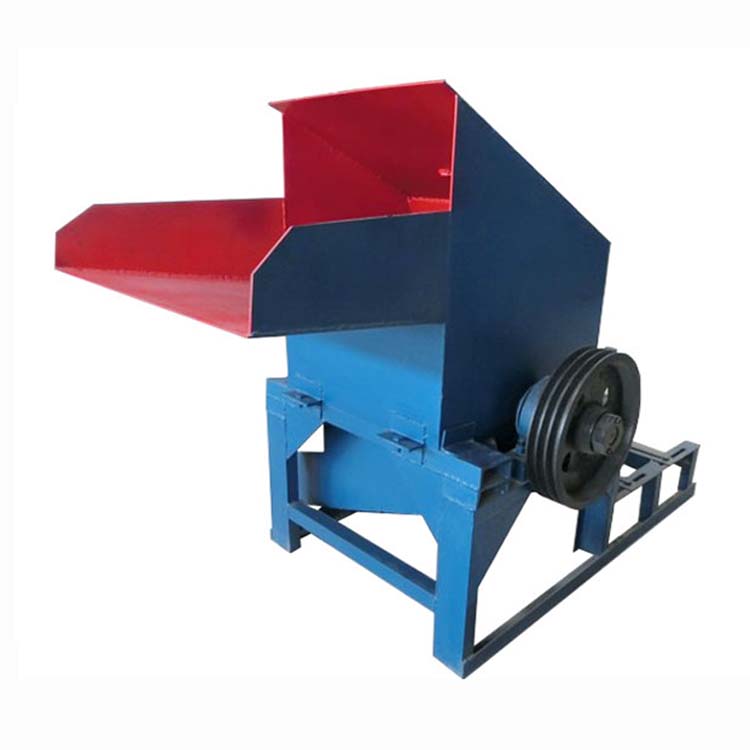
Crushing (Size Reduction)
After sorting, bottles are crushed into flakes, typically around 16–18 mm in size. In the PET bottle recycling line, controlling flake size is essential:
- Larger flakes reduce cleaning efficiency
- Smaller flakes increase material loss
High-quality blades ensure stable operation and consistent output.
Sink-Float Separation (Pre-Washing)
In this stage of the pet flakes washing process, water is used to separate materials based on density:
- PET flakes sink
- PP/PE caps and rings float
This allows effective removal of caps and lightweight plastics before deep cleaning.
Hot Washing (Core Cleaning Stage)
Hot washing is the most critical step in the pet flakes washing process. Typical operating conditions:
- Temperature: 80–90°C
- Additives: NaOH + detergent
This stage removes:
- Glue from labels
- Oil residues
- Organic contaminants
A well-controlled hot washing stage directly determines the quality of the final flakes.
Friction Washing
Following hot washing, a friction washer is used to further clean the flakes. In the pet flakes washing process, this step removes:
- Remaining glue
- Fine particles
- Surface dirt
It significantly improves the cleanliness of the material.
Secondary Washing
A second sink-float or rinsing tank is often used in the pet flakes washing process to remove residual chemicals and impurities, improving final purity.
Dewatering
A centrifugal dewatering machine removes most of the moisture, achieving around 98% water removal efficiency. This is a key step in preparing flakes for drying in the plastic bottle recycling line.
Thermal Drying
Hot air drying systems further reduce moisture content to below 1%, meeting the requirements for high-quality recycled PET applications.
Final Output: Clean PET Flakes
After completing the pet flakes washing process, the final product is:
- Clean and bright
- Low moisture
- Low contamination
- Ready for reuse in fiber, sheet, or pellet production
Why the PET Flakes Washing Process Matters
A well-designed pet flakes washing process ensures:
- Higher product value
- Lower operating costs
- Stable production performance
For recycling plants, optimizing the pet flakes washing process is the key to staying competitive in the market. 👉 Learn more about our complete system: PET Bottle Washing Line