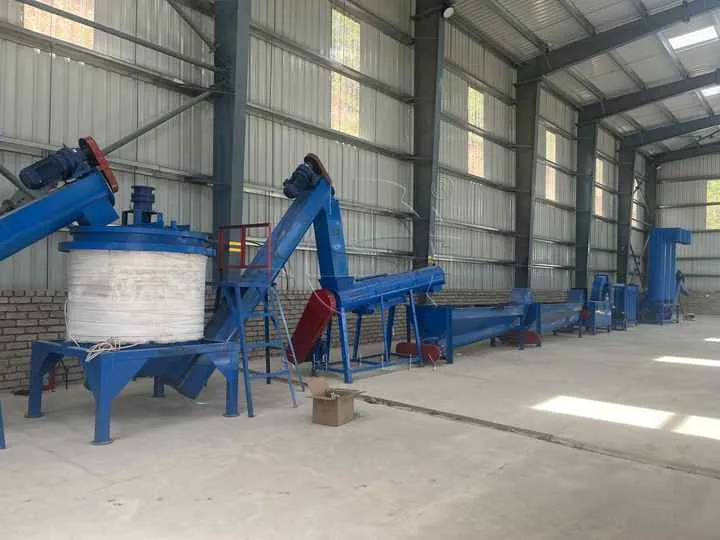
Shuliy PET bottle washing line turns waste PET bottles into clean PET flakes through crushing, separation, washing and dewatering. The line can be configured for different bottle contamination levels, production capacities and final flake requirements.
Have waste PET bottles to recycle? Send us your raw material photos, required capacity and target flake quality for a customized solution.
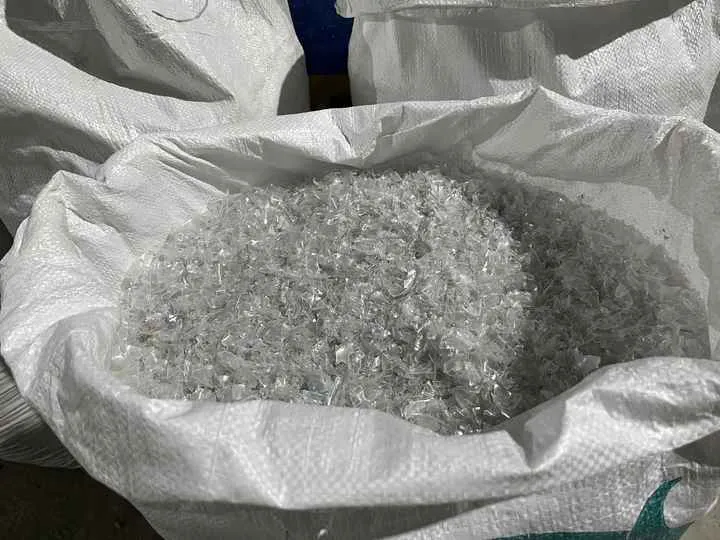
PET Bottle Washing Line at a Glance
| Item | Specification |
| Raw Material | Waste PET bottles |
| Final Products | Clean PET flakes |
| Capacity | 500-1500 kg/h |
| Washing Method | Cold washing / hot washing |
| Main Process | Crushing, separation, washing, rinsing, and dewatering |
| Flake Size | Adjustable according to crusher screen |
| Hot Washing Temperature | About 80–90°C |
| Dewatering Efficiency | About 98% |
| Customization | Available |
Final capacity and PET flake quality depend on raw material condition and line configuration.
What Can the PET Bottle Washing Line Process?
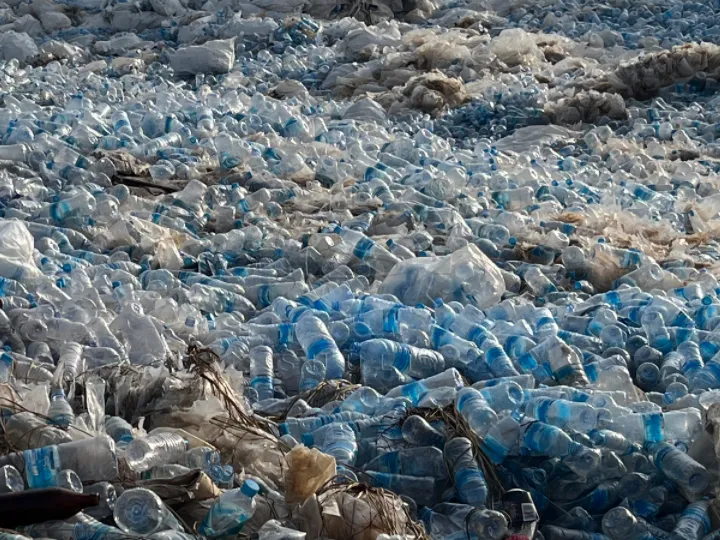
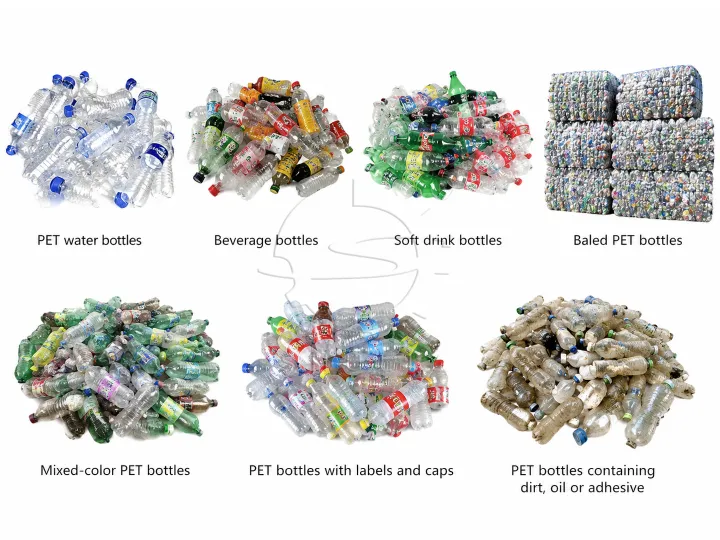
The line is designed for post-consumer waste PET bottles, including:
- PET water bottles
- Beverage bottles
- Soft drink bottles
- Baled PET bottles
- Mixed-color PET bottles
- PET bottles with labels and caps
- PET bottles containing dirt, oil or adhesive
The condition of the bottles determines how much washing and separation equipment is required.
For example:
| Raw Material Condition | Recommended Solution |
| Relatively clean PET bottles | Crushing + washing + rinsing + dewatering |
| Many labels | Add label remover |
| PP/PE caps mixed with PET | Add sink-float separation |
| Oil or grease contamination | Add hot washing |
| Heavy glue or stubborn dirt | Hot washing + friction washing |
| Higher-quality flakes required | Add additional washing/rinsing stages |
This approach helps customers avoid both under-configuring and over-configuring the PET recycling line.
What Problems Can the PET Washing Line Solve?
Different machines in the line target different contaminants.
Labels
A label remover separates most loose labels before the bottles enter the crushing process. A sorting table can remove bottles with remaining labels or unwanted materials.
PP/PE Caps
After crushing, the washing tank can be used for sink-float separation. Because PET sinks while lighter PP/PE materials float, floating bottle-cap material can be removed to improve PET purity.
The current process design achieves approximately 80–90% removal of floating PP/PE materials, depending on the incoming material.
Dirt, Sand and Paper
Washing and friction washing remove loose soil, sand, paper, pulp, and other surface impurities.
Oil and Glue
For stubborn contamination, hot water combined with detergent provides more intensive cleaning. This is particularly useful for PET bottles containing oil, grease, or adhesive residues.
Residual Water
After washing, the centrifugal dewatering machine removes most of the water before the flakes enter storage or further drying.
PET Bottle Washing Process
A typical PET bottle washing process is:
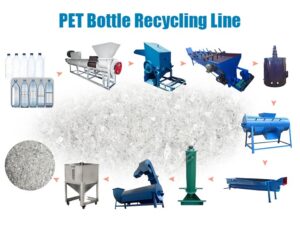
Waste PET Bottles → Label Removal & Sorting → Crushing → Washing & Separation → Hot Washing → Friction Washing → Clean-Water Rinsing → Dewatering → Clean PET Flakes
*Hot washing is optional and depends on the raw material and required flake quality.
The number of washing stages can be increased when the incoming bottles are heavily contaminated or a higher level of cleanliness is required.
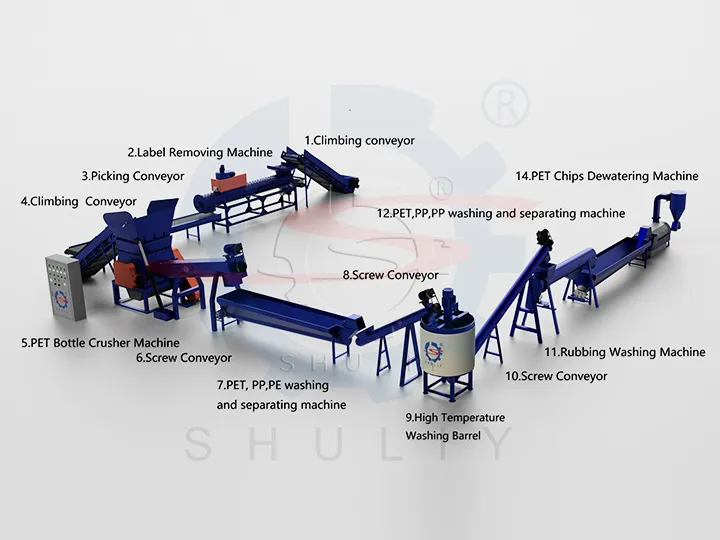
The Main Equipment of the Pet Bottle Washing Line
Label Separator
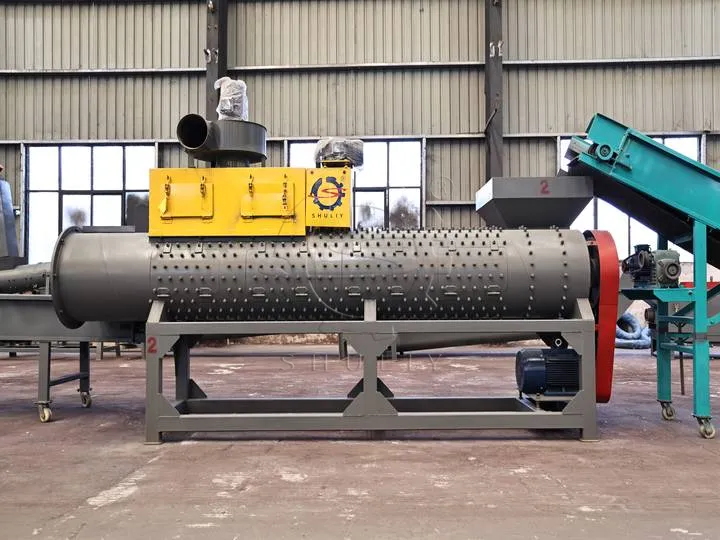
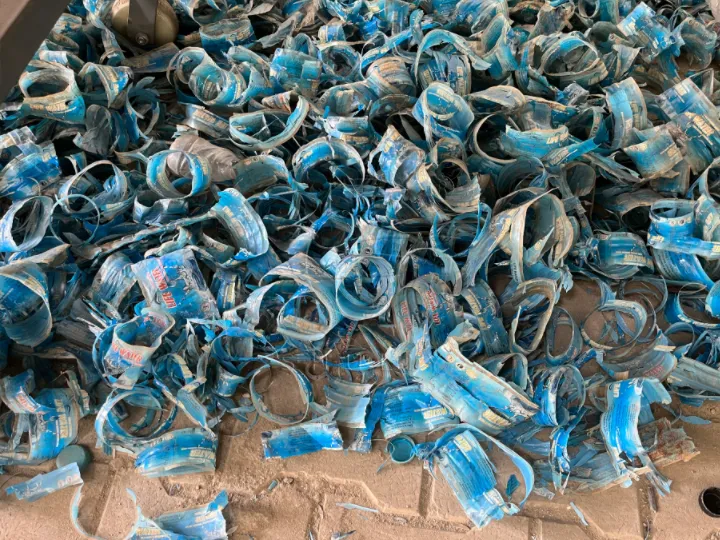
The plastic bottle label remover is the machine for removing labels from plastic bottles. Under the action of the rotation of the machine, the nail plate inside the plastic label remover can remove the label of the bottle body. After removing the label, the fan above the plastic bottle separator can blow the label out of the fuselage. Because the separation rate of this plastic label remover is between 98% – 99%. Compared with peers, Shuliy’s machine has great advantages in separation rate.
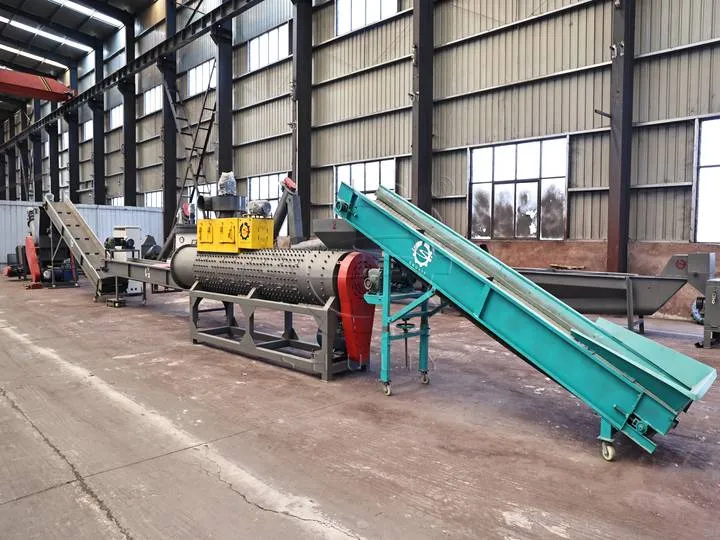
Belt Conveying Sorting Table Machine
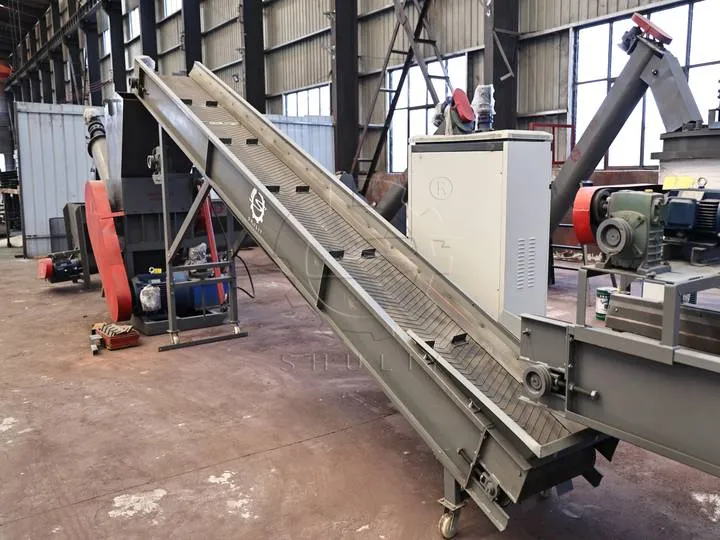
The sorting table provides a manual inspection stage.
Operators can remove:
- Unwanted bottles
- Bottles with remaining labels
- Non-PET materials
- Heavily contaminated bottles
- Unwanted colors
This simple step is useful for improving the purity of the final PET flakes.
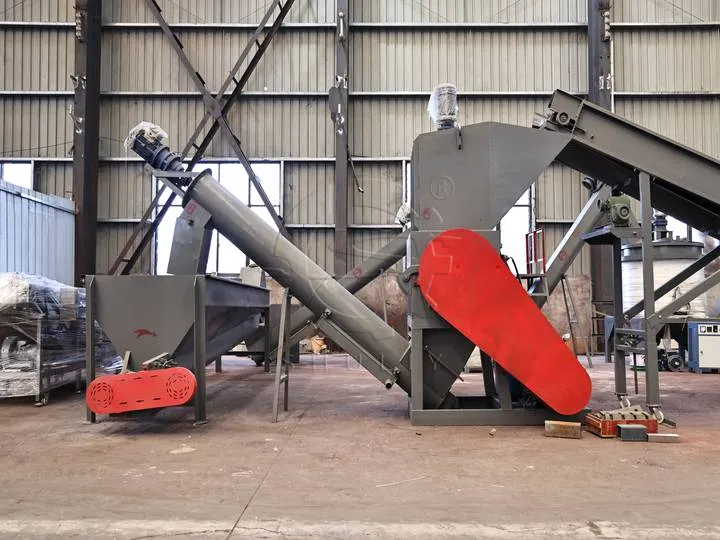
Plastic Crusher Machine
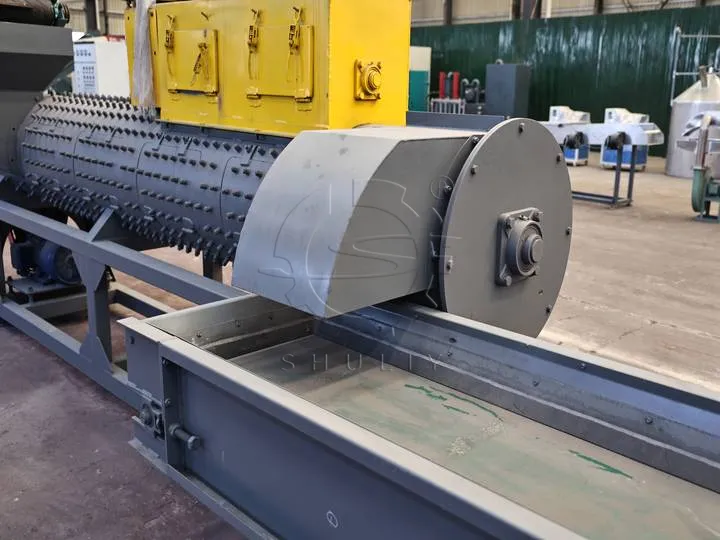
The PET crusher cuts whole bottles into smaller flakes for subsequent washing.
The crusher uses rotating knives and a screen to control the approximate flake size. The screen can be customized according to the customer’s requirements.
Uniform flakes allow water and cleaning agents to contact the contaminated surfaces more effectively during washing.
Sink Float Washing Tank
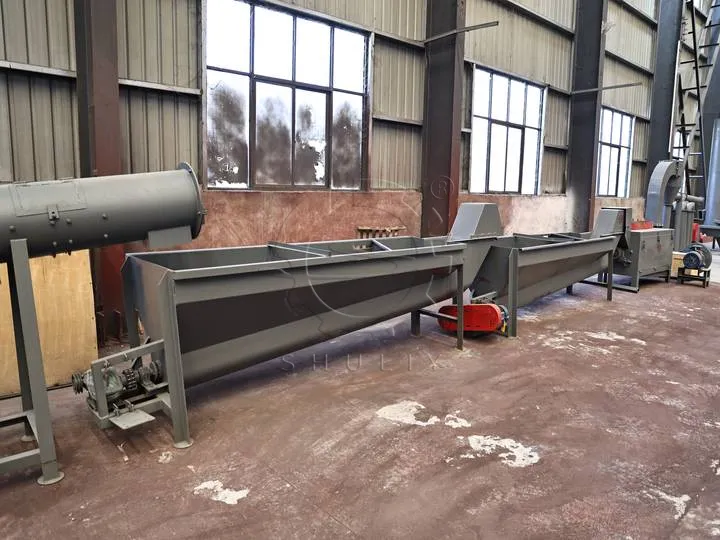
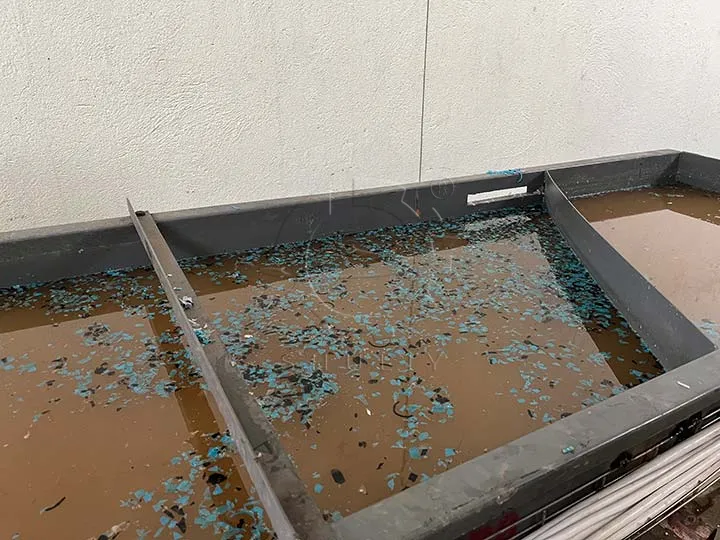
The washing tank performs initial cleaning after crushing and can also be used for PP/PE separation.
The current design uses a washing tank of approximately 6 m in length. The actual size can be adjusted according to the required capacity and workshop layout.
During the separation process, lighter PP/PE materials float while PET flakes sink. The floating material can then be removed from the water.
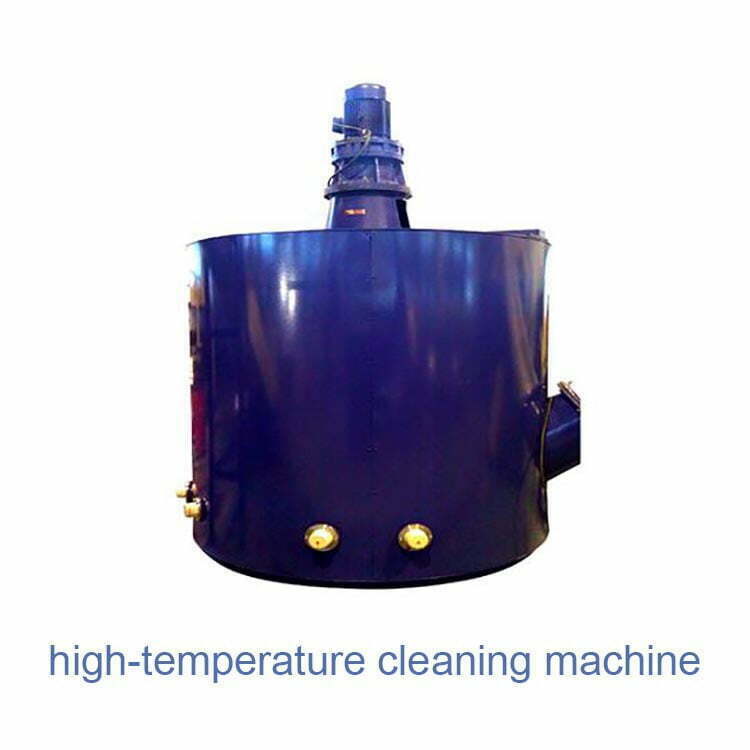
Hot Washing Machine
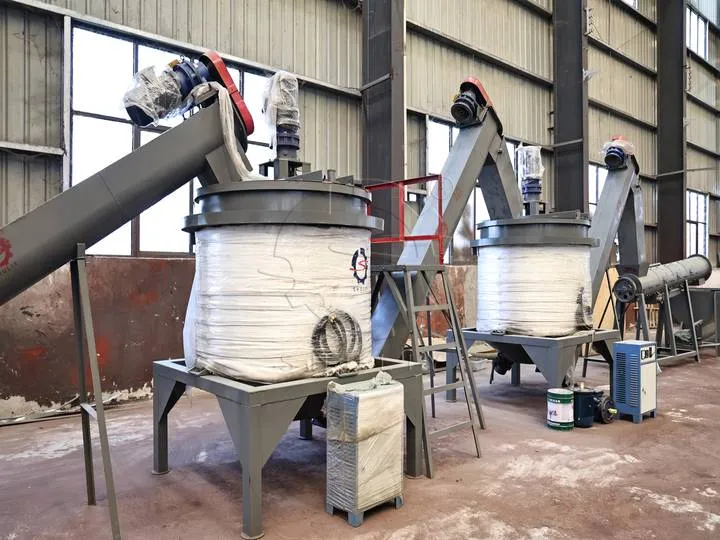
The hot washing machine is designed for more intensive cleaning. It uses heated water and detergent to loosen contaminants such as:
- Oil
- Grease
- Glue
- Adhesive
- Stubborn dirt
The current process design uses a material temperature of approximately 80–90°C, with a washing time of around 1.5 hours, depending on the material. The plastic hot washer washing machine adopts temperature control and stirring to improve contact between the PET flakes and the cleaning solution.
Do You Need Hot Washing?
Not every PET recycling project requires hot washing.
Cold washing is suitable when:
- The bottles are relatively clean
- Oil contamination is limited
- Standard PET flake quality is acceptable
- Lower investment and energy consumption are priorities
Hot washing is recommended when:
- Bottles contain oil or grease
- Glue is difficult to remove
- Raw materials are heavily contaminated
- Cleaner PET flakes are required
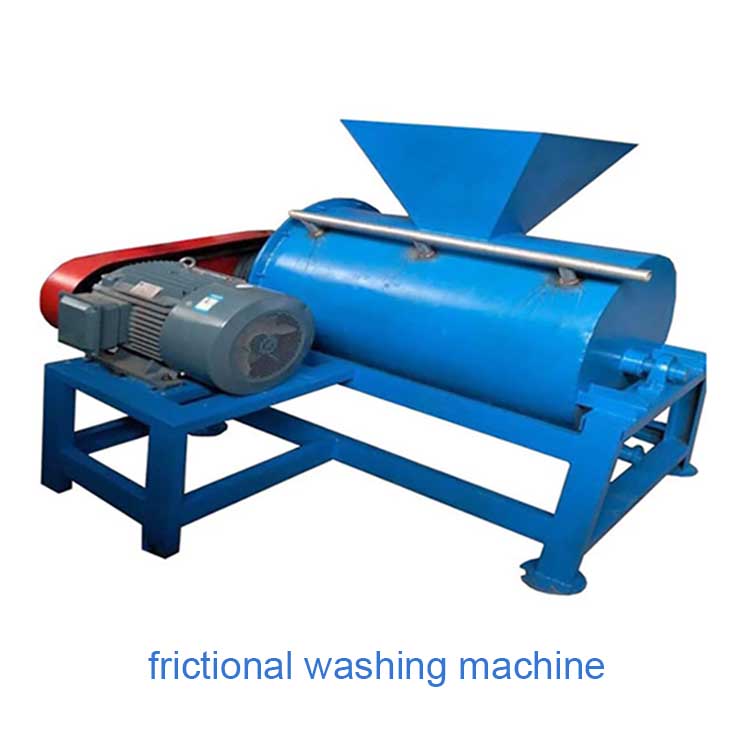
Pet Bottle Frictional Cleaning Machine
The friction washing machine uses high-speed mechanical friction together with water to remove remaining dirt and fine impurities from the PET flakes.
It is particularly useful for removing residual:
- Dirt
- Sand
- Paper fibers
- Pulp
- Surface contaminants
This stage provides intensive mechanical cleaning before final rinsing.
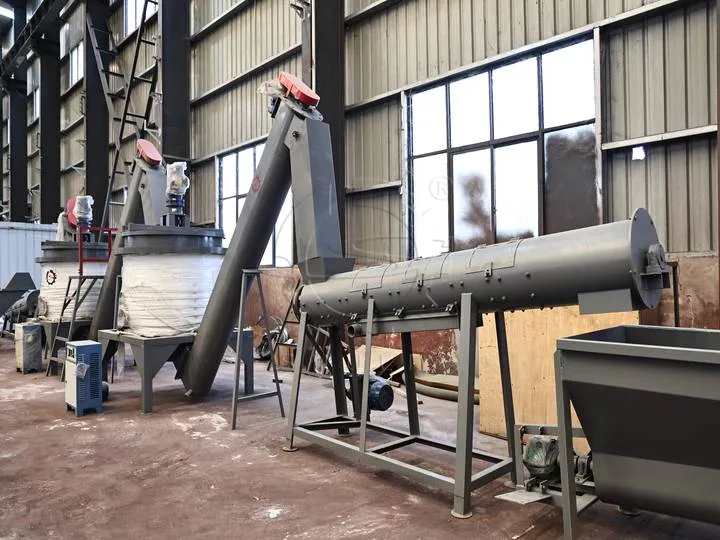
Clean-Water Rinsing Tank
The rinsing tank also provides a final water-washing stage. The current process design uses a rinsing tank of approximately 5 m. Clean water helps remove remaining impurities and washing residues from the PET flakes. The actual tank size can be customized according to the line capacity.
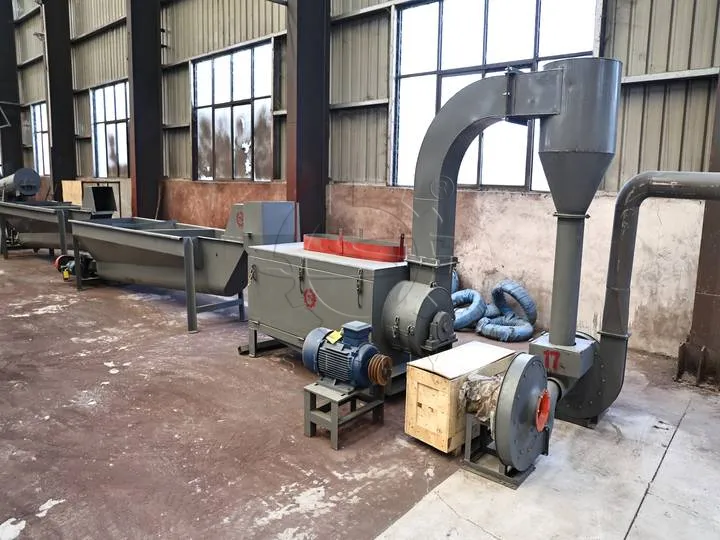
Plastic Dewatering Machine
The centrifugal dewatering machine removes water from the washed PET flakes through high-speed rotation. The current design uses 304 stainless steel for the dewatering section, with a dewatering efficiency of approximately 98%.
If a lower final moisture level is required, an additional drying system can be installed after dewatering.
PET Flake Quality After Washing
The value of a PET washing line depends largely on the quality of the finished flakes.
Important quality indicators include:
- PET purity
- PP/PE content
- PVC contamination
- Label and paper residues
- Oil and adhesive residues
- Flake size
- Moisture
The final result depends on the incoming bottle quality and the selected washing configuration. More washing stages can be added when cleaner PET flakes are required. For projects with strict quality requirements, we recommend evaluating the actual raw material before finalizing the line configuration.
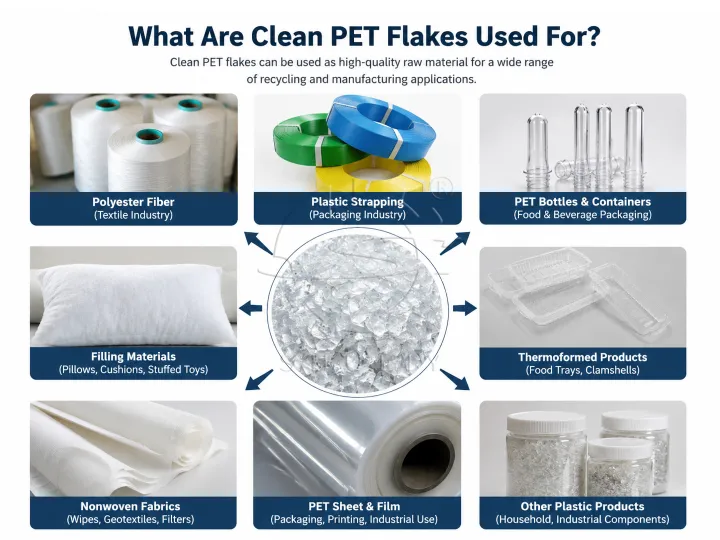
What Are Clean PET Flakes Used For?
Clean PET flakes can be used as recycled raw material for further processing. Typical applications include:
Polyester Fiber
PET flakes can be processed into polyester fiber for:
- Sleeping bags
- Mattresses
- Pillow filling
- Felt
- Other textile products
Recycled Plastic Products
Depending on the quality of the PET flakes and the requirements of the downstream process, the recycled material can also be used for manufacturing various PET products. The final application should be selected according to the quality standard required by the downstream production process.
Workshop and Operating Requirements
A complete PET bottle washing plant normally requires:
- Electrical power for motors and conveyors
- Water for washing and rinsing
- Heating energy when hot washing is selected
- Detergent or cleaning chemicals for intensive washing
- Operators for sorting and production
- Suitable wastewater handling
The workshop dimensions and equipment layout depend on the selected capacity and machine configuration. For larger projects, a water recycling system can also be considered to reduce fresh-water consumption.
PET Bottle Washing Line Customer Solution
Every PET recycling project is different.
A customer with relatively clean PET bottles may only need a basic washing configuration, while a customer processing heavily contaminated post-consumer bottles may require label removal, sorting, PP/PE separation, hot washing, friction washing, rinsing and drying. Therefore, Shuliy designs the PET bottle washing line according to:
Raw Material → Required Capacity → Target Flake Quality → Equipment Configuration
You do not need to buy every machine available. We help select the equipment that is actually needed for your project.
Get Your PET Washing Line Solution
Not sure whether you need cold washing or hot washing? Not sure what capacity is suitable?
Send us:
1. Raw material photos/videos
2. Required capacity
3. Target PET flake quality
4. Workshop size, if available
Shuliy will recommend a PET bottle washing line based on your actual material and recycling requirements.