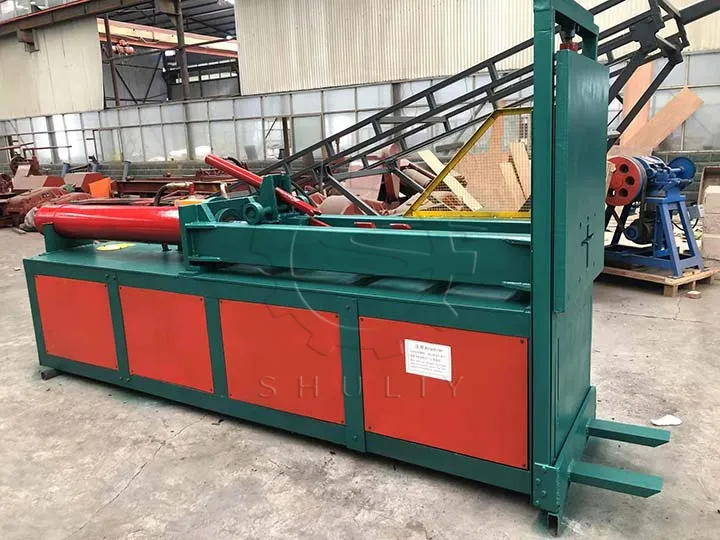
Waste tires contain thick steel beads that destroy shredding blades and reduce recycling profits. A tire debeader solves this problem by extracting steel wires before shredding begins. This essential machine forms the foundation of professional tire recycling operations, protecting expensive equipment while generating additional revenue through steel recovery.
What Does a Tire Debeader Do?
A tire debeader is specialized equipment that removes steel beads from tire sidewalls. The machine uses hydraulic hooks to pull out steel wires, separating them from rubber for individual recycling. This process protects downstream shredding equipment from damage while recovering valuable steel for resale.
Key Functions of Tire Debeader
- Extracts steel beads from passenger, truck, and OTR tires
- Protects shredding equipment from premature blade damage
- Increases steel recovery for additional revenue streams
- Prepares tires for efficient downstream processing
How Tire Debeaders Work
The debeading process follows a straightforward mechanical principle. First, the tire mounts on the machine platform. Then hydraulic hooks engage the steel bead. Powerful hydraulic force pulls the bead from the tire, and steel collects separately from rubber.
Tire Debeader Technical Specifications
Understanding technical specifications helps you choose the right tire debeader machine for your operation:
| Model | Hook Type | Capacity | Power | Tire Size |
|---|---|---|---|---|
| Standard | Single | 20-30 tires/hour | 11KW | 900-1200mm |
| High-Capacity | Double | 40-50 tires/hour | 18.5KW | 900-1200mm |
| OTR | Heavy-duty | 30 cycles/hour | 22+3KW | 1800-4000mm |
Why Tire Debeading Matters
Equipment Protection
Steel beads rank among the hardest materials in waste tires. Without removal, these beads damage shredder blades, causing blade replacement every 2-3 months instead of 12 months, unexpected downtime costing hundreds per hour, and poor shredding quality affecting downstream processes.
Revenue Recovery
Steel beads contain valuable recyclable metal. A typical passenger tire yields 0.5-1kg of steel wire worth $0.15-0.30 per tire at current scrap prices. For a 10,000 tires/month operation, annual steel revenue reaches $18,000.
Processing Efficiency
Debeaded tires shred 30% faster than whole tires. The uniform rubber pieces feed more consistently into grinding equipment, reducing jams and maintenance stops.
Types of Tire Debeaders
Single Hook Debeaders
Best for small to medium operations processing up to 200 tires daily. One operator manages feeding while the machine extracts beads from one side at a time. Ideal for startup recycling businesses, limited budgets, and space-constrained facilities.
Double Hook Debeaders
Designed for high-volume operations needing 40+ tires per hour. Simultaneous dual-side extraction doubles output without doubling labor. Perfect for established recycling plants, high labor cost regions, and continuous operation requirements.
OTR Tire Debeaders
Heavy-duty machines handle mining and construction tires up to 4 meters diameter. Reinforced hooks and higher hydraulic pressure manage ultra-thick steel beads found in giant tires.
Tire Debeader vs Tire Shredder
Many newcomers confuse these machines. The tire debeader removes steel beads while the tire shredder cuts rubber into pieces. The debeader works first, preparing tires for the shredder. Using both machines in sequence maximizes equipment lifespan and recycling profits.
Choosing the Right Tire Debeader
Capacity Requirements
Calculate your daily tire volume, then select equipment handling 20% more capacity for growth. Under 200 tires/day needs a single hook model. 200-400 tires/day requires a double hook model. OTR tires need specialized heavy-duty equipment.
Tire Size Range
Measure your typical tire diameters. 900-1200mm covers standard passenger and light truck tires. 1200-1800mm requires extended reach for heavy truck tires. Over 1800mm needs OTR-specific equipment.
Tire Debeader Maintenance Essentials
Regular maintenance extends machine life and prevents costly breakdowns. Daily tasks include checking hydraulic oil levels, inspecting hooks for wear, and cleaning debris from the working area. Weekly tasks include lubricating moving parts, checking hydraulic line connections, and testing emergency stops.
Common Questions About Tire Debeaders
Can I recycle tires without a debeader? Technically yes, but practically no. Shredding whole tires destroys blades quickly, increases maintenance costs, and reduces steel recovery profits. Professional operations always include debeading.
How long do tire debeader hooks last? Hook lifespan varies by tire volume and steel thickness. Typical replacement intervals are 8,000-12,000 tires for passenger tires, 5,000-8,000 tires for truck tires, and 2,000-4,000 tires for OTR tires.
Is tire debeading profitable? Yes. Steel recovery revenue typically covers debeader operating costs, while equipment protection savings add pure profit. Most operations see positive ROI within 12-18 months.
Conclusion
A tire debeader forms the foundation of professional tire recycling operations. By removing steel beads before shredding, the machine protects expensive equipment, recovers valuable materials, and improves overall processing efficiency. Whether starting a new recycling business or upgrading existing equipment, investing in quality tire debeading technology delivers measurable returns through reduced maintenance, increased steel sales, and higher throughput.
Ready to add tire debeading capacity to your operation? Contact our team to discuss which tire debeader machine matches your specific tire volume and size requirements.