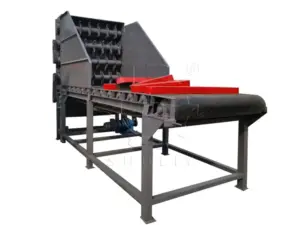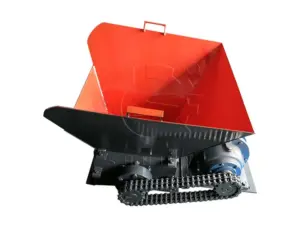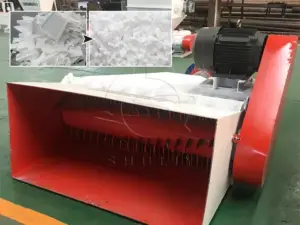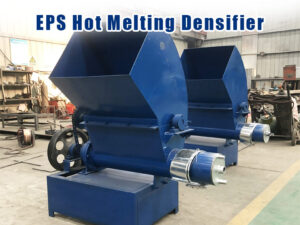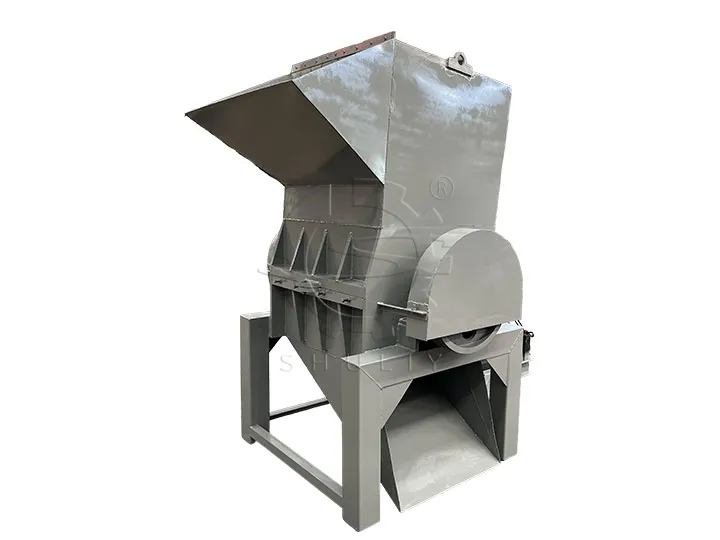
A waste plastic crusher machine designed for PP, PE, PVC, HDPE, ABS, etc. pipes, injection molding runners and sprues, plastic buckets, and thick-walled lumps. Six rotating and four fixed blades in wear-resistant 60Si2Mn steel turn rigid scrap into clean, uniform flakes ready for washing and granulation.
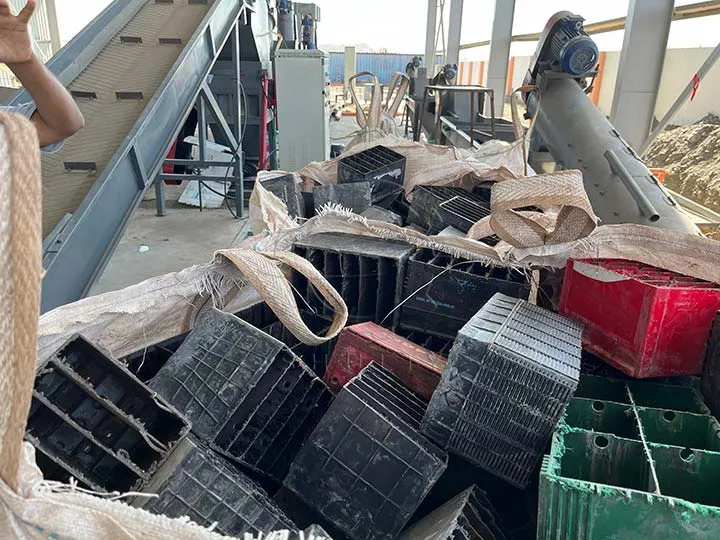
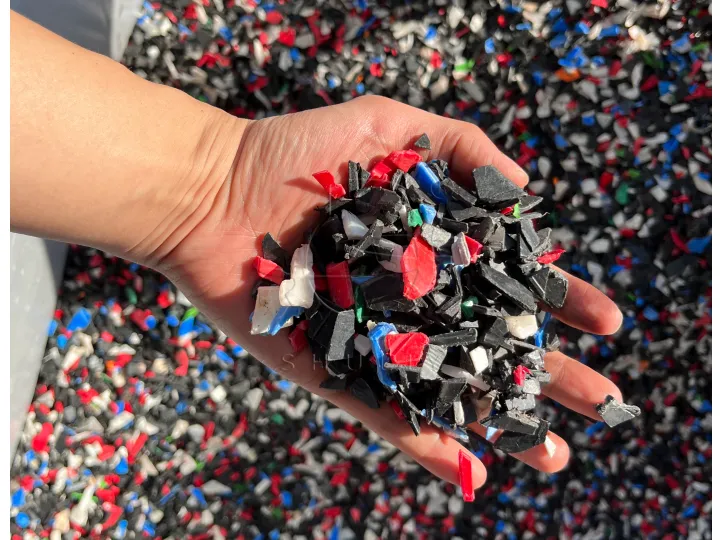
Arbeitsvideo zum Plastikzerkleinerer zum Recycling
Why This Waste Plastic Crusher Suits Hard Materials
Cutting geometry, steel grade and screen thickness are matched to rigid, impact-heavy feed — the conditions that wear out ordinary granulators.
- 6 Rotating + 4 Fixed Blades: Six rotary cutters on the rotor shear against four fixed bed knives, so hard pipes, runners and lumps are cut through rather than bounced.
- 60Si2Mn Spring-Steel Blades: High-toughness alloy that absorbs impact without chipping — the right choice for heavy shocks from thick-walled and injection waste. Higher wear-resistant grades available on request.
- Heavy-Duty Custom Screen: 16–18 mm mesh on a 20 mm thick plate resists flexing under load. Openings can be customized to your target flake size.
- Predictable Blade Maintenance: Under hard-material operation blades need sharpening after about every 10 tons of feed (roughly 3–5 days of continuous work), so maintenance cost is easy to plan.
- Optional Blade Sharpener: Choose an optional sharpening machine and grind your own blades in-house — fewer shutdowns waiting for outside sharpening.
- Stable, Quiet Operation: Welded steel body, balanced rotor and large feed opening keep vibration low and loading convenient for continuous runs.
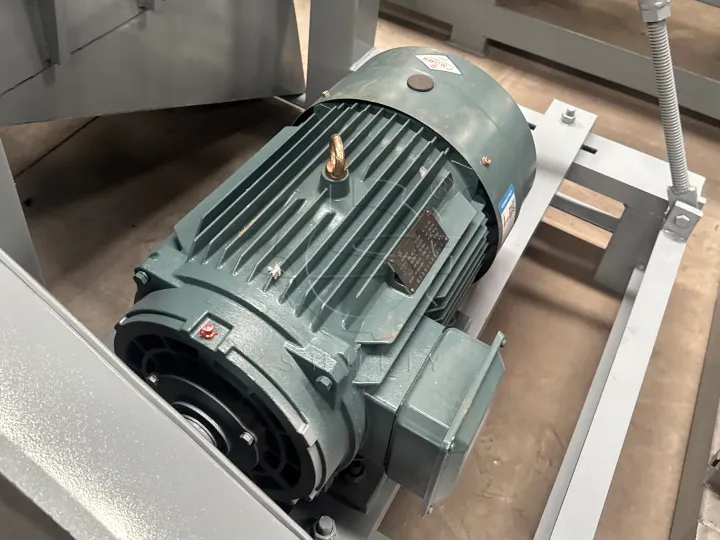
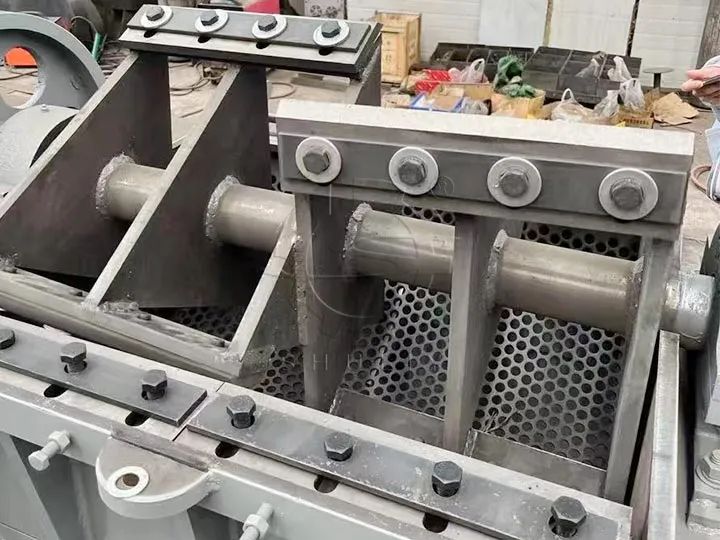
Parameter des Kunststoffabfallbrechers
Model numbers match the feed opening width in mm — a wider opening handles larger input and delivers higher throughput.
| Modell | Feed Opening Width | Kapazität | Rotating Blades | Fixed Blades | Screen | Blade Steel |
|---|---|---|---|---|---|---|
| SL-600 | 600 mm | 600–800 kg/h | 6 | 4 | Ø16–18 mm, 20 mm plate | 60Si2Mn |
| SL-800 | 800 mm | 800–1000 kg/h | 6 | 4 | Ø16–18 mm, 20 mm plate | 60Si2Mn |
| SL-1000 | 1000 mm | ≈1200 kg/h | 6 | 4 | Ø16–18 mm, 20 mm plate | 60Si2Mn |
| SL-1200 | 1200 mm | 1600–1800 kg/h | 6 | 4 | Ø16–18 mm, 20 mm plate | 60Si2Mn |
Motor power, crushing-chamber size, overall dimensions, net weight and voltage are confirmed per model on request — contact us for the full datasheet and a quotation matched to your material and line setup.
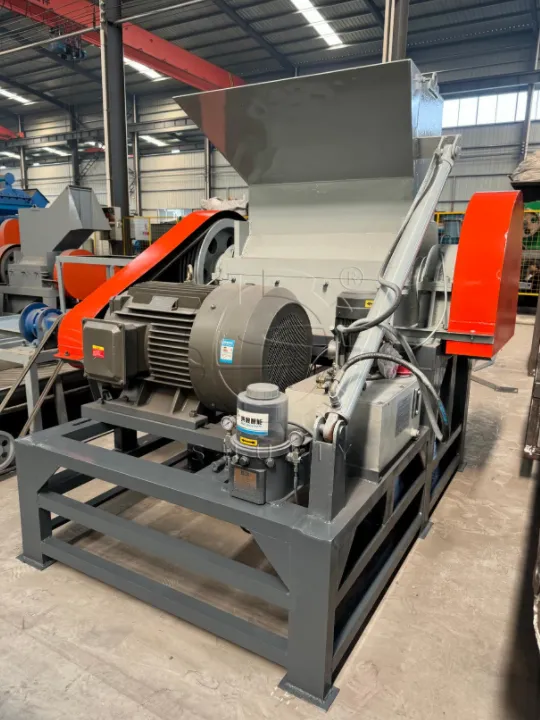
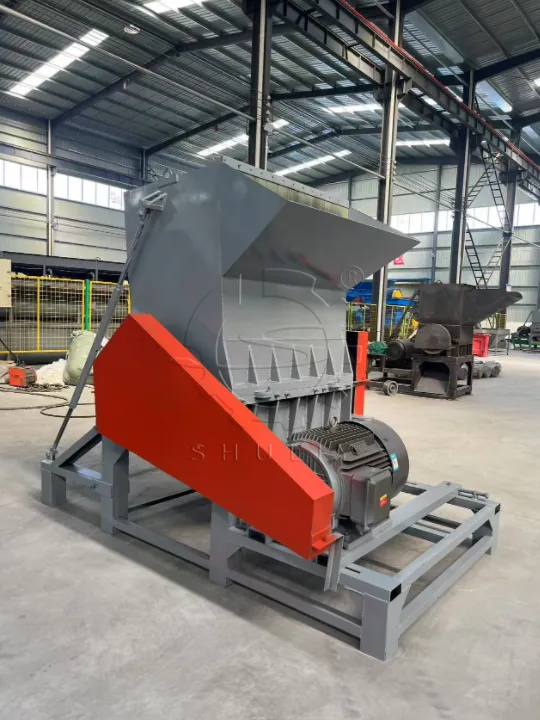
What It Crushes
Typical hard and rigid plastic feed for the waste plastic crusher.
- PVC pipes & profiles — pipe offcuts, fittings and window/door profile waste.
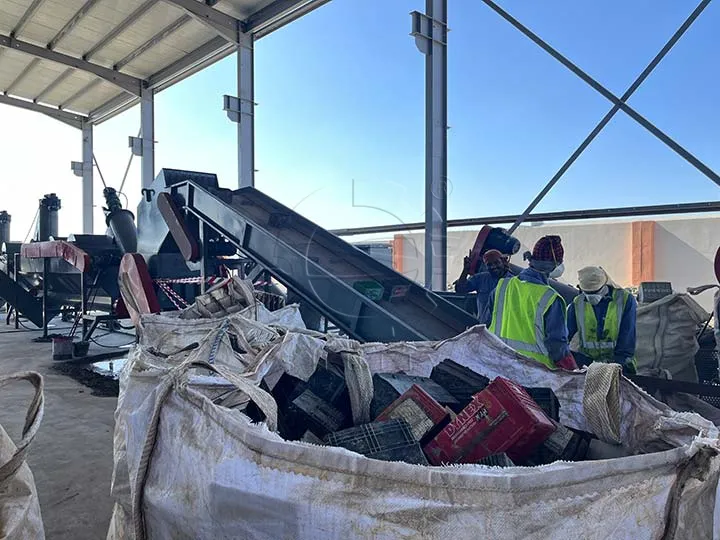
- Plastic buckets, drums & bottles — HDPE/PP containers, buckets and crates.
- Plastic lumps & purging — purgings, start-up lumps and hard head material.
- Injection molding waste — runners, sprue, gates and reject parts from injection and blow molding.
- ABS & engineering parts — thick-walled housings, shells and appliance waste.
- Rods, sheets & thick profiles — rigid bars, boards and extruded sections.
If your main feed is soft stretch film or thin film, see our dedicated soft plastic film crusher instead — film and rigid scrap call for different blade and rotor setups.
How to Choose the Right Model
Selection is driven by two numbers: the largest input size you feed, and the output you need per hour.
- Measure your largest input: Match the feed opening width (600–1200 mm) to the biggest piece your line delivers. Wider opening, bigger lumps.
- Set your target throughput: Pick the capacity band that covers your daily volume: 600–800, 800–1000, ≈1200, or 1600–1800 kg/h.
- Lock your output size: Choose the screen opening (16–18 mm standard, customizable) to match your downstream granulation requirement.
Not sure? Send us your material type, largest piece size and required output — our engineers will recommend the right model and options.
Maintenance & Running Cost
Hard plastics are the hardest duty a granulator faces. We designed around the cost that matters most — blade downtime.
- Blade sharpening interval. Under continuous hard-material operation, the blades are typically sharpened after roughly every 10 tons of processed material — about every 3–5 days. That interval is stable and predictable, so you can schedule maintenance instead of being surprised by it.
- Optional in-house sharpener. Add a blade sharpening machine and grind the blades on site. You cut the wait and cost of sending blades out, keeping the crusher running closer to full time.
- Replacement & spare parts. Blades, screens and fasteners are supplied as spares, with long-term availability supported by the factory.
Häufig gestellte Fragen
Which materials can this hard plastic crusher process?
It is built for hard and rigid plastics: PVC pipes and profiles, injection molding runners and sprue, plastic buckets and drums, ABS parts, thick-walled lumps and purging. For soft stretch film or thin film, use our dedicated film crusher.
How often do the blades need to be sharpened?
Under hard-material operation, roughly every 10 tons of processed material, or about every 3–5 days of continuous work. An optional blade sharpening machine lets you sharpen in-house and reduce downtime.
Can the output flake size be customized?
Yes. Standard screen mesh is Ø16–18 mm on a 20 mm plate for longer life, and the opening can be customized to your downstream flake size requirement.
How do I choose between SL-600, SL-800, SL-1000 and SL-1200?
The model number equals the feed opening width in mm. Pick the smallest model whose feed width and capacity match your largest input and target output — from SL-600 at 600–800 kg/h up to SL-1200 at 1600–1800 kg/h.
Are you a factory or a trading company?
Shuliy Machinery is a recycling equipment manufacturer based in Zhengzhou, China, with experience in design, manufacturing and export of plastic recycling lines. Contact us for factory details, certifications, and customer references.
Related Equipment & Lines
- Soft plastic crusher: For LDPE/LLDPE film, bags, and thin sheeting – a different blade and rotor setup from rigid scrap.
- Rigid plastic recycling line: Complete crushing, washing, and pelletizing line for hard plastics.
- Efficient plastic pelletizer: Turns plastic flakes into uniform granules.