Katika urejeleaji wa chupa za PET, matatizo mengi—kama vile vumbi vya njano, madoa meupe, au kuyeyuka kwa kutokuwa na utulivu—yanaweza kurudiwa kwa chanzo kimoja: uchafuzi wa lebo.
Mashine ya kuondoa lebo za chupa za plastiki ya kuaminika si kifaa cha ziada tu. Kwa vitendo, ni miongoni mwa mashine muhimu zaidi ya kuhakikisha ubora wa bidhaa thabiti.
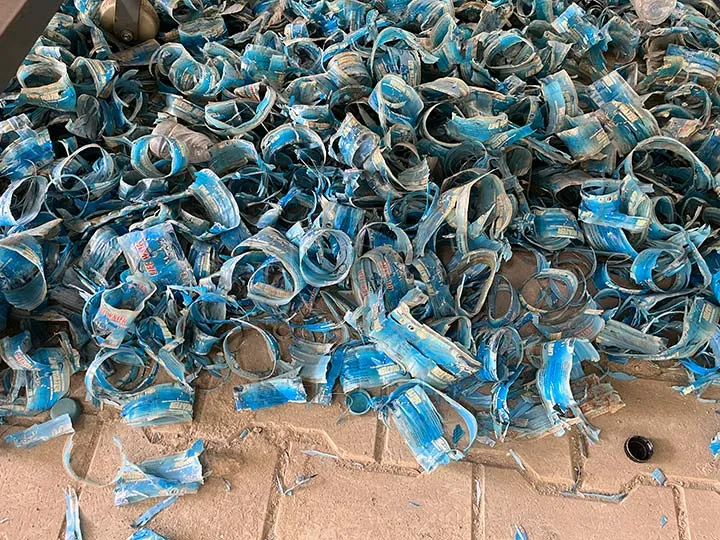
Kwa nini Lebo za PVC Zinapaswa Kuondolewa Mapema
Sio lebo zote za chupa ni sawa. Wakati baadhi zinatengenezwa kutoka PE au PP, sehemu kubwa—hasa sleeves za kupunguza—zinatengenezwa kutoka PVC.
PVC inashughulika sana tofauti na PET wakati wa usindikaji. Ikiingia kwenye hatua za kuosha na kuyeyuka, inaweza kusababisha:
- Mabadiliko ya rangi ya vumbi vya PET
- Vumbi jeusi kwenye bidhaa za mwisho
- Utulivu wa usindikaji wakati wa extrusion
- Thamani ya soko iliyopunguzwa au makundi yaliyokataliwa
Shida kuu ni kwamba mara PVC inavunjika kuwa vipande vidogo, inakuwa vigumu sana kuondoa. Ndio maana kuondoa lebo kunapaswa kufanyika kabla ya kusagwa, kwa kutumia mashine ya kuondoa lebo za chupa za PET au vifaa vya kuandaa kabla vinavyofanana.
Nini Mashine ya Kuondoa Lebo za Chupa za PET?
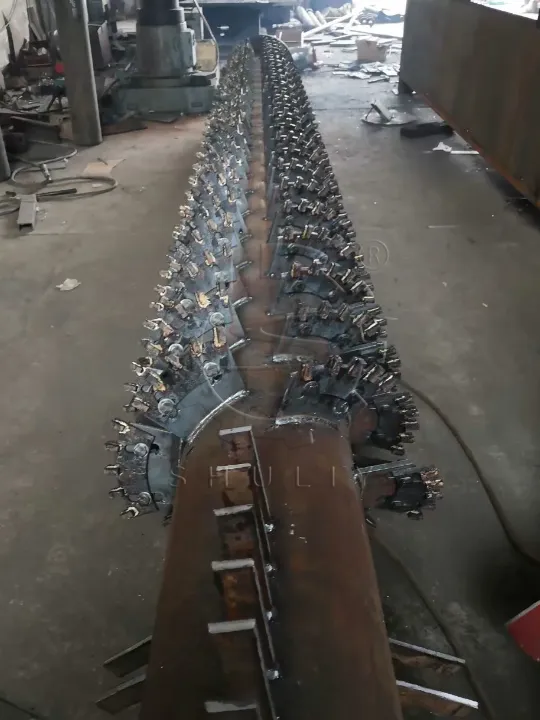
A pet bottle label removal machine, also known as a PET bottle de-labeling machine or label remover, is designed to strip labels from whole bottles before they are crushed.
Tofauti na mifumo ya kuosha, mashine hii inategemea hatua za mitambo badala ya maji au kemikali. Kuondoa lebo mapema, huzuia uchafuzi kusambaa kupitia mstari.
Katika matumizi mengi ya vitendo, mashine nzuri ya kuondoa lebo za chupa za PET inaweza kufikia kiwango cha kuondoa lebo cha 85–95%, kulingana na hali ya chupa na aina ya lebo.
Jinsi Mashine ya Kuondoa Lebo Inavyofanya Kazi
Katika mstari wa kawaida wa urejeleaji, chupa huingia kwenye mashine ya kuondoa lebo za chupa za PET baada ya kuvunjwa kwa magunia. Ndani ya mashine:
- Mshipa wa mzunguko au drum huunda msuguano wa kudhibitiwa kati ya chupa
- Lebo huachana na kuachiliwa kutoka kwenye uso
- Lebo zilizotenganishwa huachiliwa kupitia hewa au matundu
Kwa sababu chupa zinabaki zikiwa kamili wakati wa mchakato huu, lebo huondolewa kwa vipande vikubwa, na hivyo kuwa rahisi kutenganishwa baadaye.
Kwa nini Kuondoa Lebo Kabla ya Kusagwa Ni Muhimu
Baadhi ya viwanda hajaribu kutegemea kuosha pekee kuondoa lebo baada ya kusagwa, lakini njia hii huleta matatizo kadhaa. Mara chupa zinaposagwa:
- Lebo huanguka na kutenganishwa kutoka kwenye uso
- PVC huchanganyika na vumbi vya PET
- Ufanisi wa ugawaji hupungua sana
Kwa kutumia mashine ya kuondoa lebo za chupa za plastiki kabla ya kupunguza saizi, uchafuzi huondolewa huku ukiwa rahisi kushughulikia. Hii huongeza ufanisi wa kila hatua inayofuata.
Muunganisho na mifumo ya Ugawaji wa Hewa
Baada ya kupitia mashine ya kuondoa lebo za chupa za PET, chupa kwa kawaida huenda kupitia ugawaji wa hewa. Chaguo la vifaa linategemea uwezo:
- Kwa mistari midogo (0.5–1 t/h), separator ya hewa ya kawaida inatosha
- Kwa mifumo mikubwa (2 t/h na zaidi), classifier ya hewa inachaguliwa kwa ajili ya uendeshaji wa kuendelea na wa kudumu.
Hatua hii huondoa lebo zilizovunjika, filamu, na vumbi, kuhakikisha kuwa nyenzo zinazojingiza kwenye mfumo wa kuosha ni safi kwa kiasi fulani.
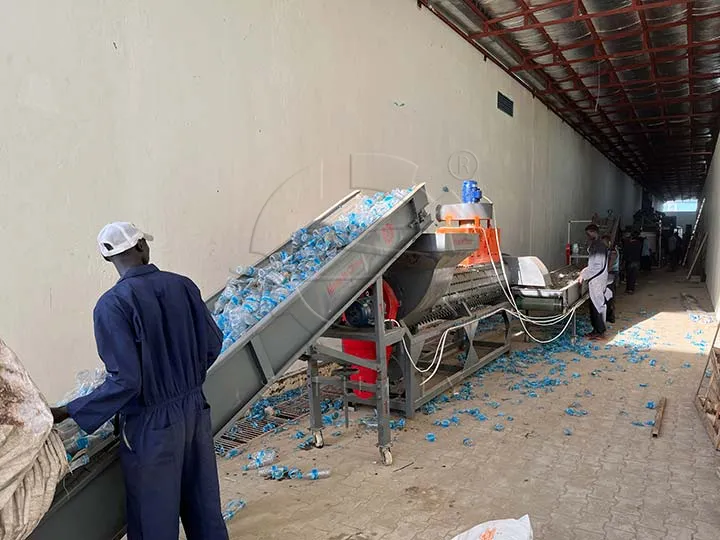
Jukumu la Upangaji wa Mikono
Hata na kuwa na mashine ya kuondoa lebo za chupa za plastiki na ugawaji wa hewa, upangaji wa mikono bado ni hatua muhimu. Katika viwanda vingi, wafanyakazi takriban 3 wanateuliwa kwa:
- Ondoa lebo zilizobaki
- Chagua chupa za rangi
- Ondoa uchafu unaoonekana
Mchanganyiko huu wa usindikaji wa mitambo na wa mikono husaidia kudumisha ubora wa malipo ya kuingiza.
Athari kwa Mchakato Wote wa Kuosha
Kuweka mashine ya kuondoa lebo za chupa za plastiki kuna athari inayojulikana kwa mstari wa jumla wa urutubishaji:
- Kusafisha kwa joto kunakuwa na ufanisi zaidi
- Matumizi ya kemikali hupunguzwa
- Kusafisha kwa msuguano hufanya kazi kwa ufanisi zaidi
- Vumbi la mwisho lina viwango vya chini vya uchafuzi
Kwa shughuli za kati na kubwa, mashine ya kuondoa lebo za chupa za PET si tu uboreshaji—ni usanidi wa kawaida.
Jinsi ya Kuchagua Mashine Sahihi
Wakati wa kuchagua mashine ya kuondoa lebo za chupa za plastiki, zingatia yafuatayo:
- Uwezo wa uwezo (kama 500 kg/h hadi 3000 kg/h au zaidi)
- Ufanisi wa kuondoa lebo
- Uimara wa sehemu zinazovaa
- Muunganisho na vifaa vya ugawaji wa hewa
Kuchagua mashine sahihi ya kuondoa lebo za chupa za PET kunahakikisha uendeshaji thabiti na matokeo yanayodumu kwa muda mrefu.
Fikira za Mwisho
Katika urejeleaji wa PET, udhibiti wa ubora huanza kabla ya kuosha. Mashine nzuri ya kuondoa lebo za chupa za PET huondoa moja ya uchafuzi muhimu zaidi kutoka chanzo. Ikiwa vumbi vyako bado vinaonyesha ishara za uchafuzi wa PVC, kuboresha uondoaji wa lebo mara nyingi ni suluhisho bora zaidi.