Project Snapshot
| Item | Specification / Details |
|---|---|
| Client Location | Durrës coastal region, Albania |
| Matières premières | Fresh marine fish scraps (fish heads, bones, offal, filleting trimmings) |
| Capacité de traitement | 500 kg/h raw material input |
| Core Heating System | Electric Heating Thermal Oil System (Boiler-Free) |
| Finished Products | High-protein commercial fish meal + Crude fish oil |
| Environmental Control | Water-cooled condensing + Chemical spray deodorization tower |
| Packaging Automation | Automatic 5–50 kg powder weighing and bagging system |
| Footprint Required | Approx. 240 m² (12m × 20m, eaves height: 6m) |
| Shipping Logistics | 2 × 40’HQ High Cube Containers via Port of Durrës |
1. Background: The Adriatic Dilemma — Waste Burden or Untapped Asset?
Along the pristine Adriatic coastline of Albania, seafood processing and fish canning represent a vibrant industry. However, rapid business growth brought a critical headache to a long-established fish filleting enterprise near the Port of Durrës: how to handle tons of daily wet fish scraps, fish heads, and processing trimmings.
In the past, the factory had to pay local rendering companies high disposal fees to clear decomposing scraps daily to comply with stringent European environmental policies. Facing escalating logistics costs and lost margins, the plant management asked a pivotal question:
“Why pay others to haul away high-protein marine resources when we can process it into premium animal feed ourselves?”
With this vision, they set out to establish their own in-house fish meal production line.
2. The Bottleneck: Steam Boiler Permit vs. Real-World Constraints
When the Albanian engineering director first consulted Shuliy Machinery, he had an initial target of 500–1000 kg/h. But their biggest hurdle lay in the energy source.
Most industrial fish meal plants rely on high-pressure steam boilers. However, acquiring local environmental and safety permits for a high-pressure fossil fuel steam boiler in European coastal zones is notorious for lengthy bureaucratic reviews, complex pipeline certifications, and ongoing emissions inspections.
The client asked our engineering team an intriguing technical question:
“Can we build one line that switches between steam and electric heating whenever we want?”
Shuliy’s Engineering Evaluation:
Our chief thermal engineer directly addressed this myth:
“The internal heating pipelines, pressure tolerance, rotary joints, and thermal conduction plates required for steam versus thermal oil are completely different. A ‘hybrid dual-use’ design compromises energy efficiency, leads to high maintenance failure, and increases your investment cost unnecessarily.”
Taking into account the local facility conditions and their desire for rapid commissioning without the red tape of steam licenses, Shuliy customized an Electric Heating Thermal Oil Fish Meal Production Line (500 kg/h).
By integrating a closed-circuit 120 kW electric thermal oil furnace, the system evenly circulates thermal oil up to 180°C through the jacketing and hollow rotor shafts, offering precise PID temperature control without an open flame or high-pressure steam boiler risk.
3. Comprehensive Workflow: Shuliy’s 500kg/h Turnkey Solution
To process whole heads, sticky fish frames, and tough skin cleanly, Shuliy configured a fully synchronized, industrial-grade fish meal production line:
Raw Fish Scraps → Crushing → Cooking → De-watering → Drying → Cooling & Screening → Fine Grinding → Weighing & Bagging
- Heavy-Duty Crusher: Reduces materials to ≤ 10mm uniform slurry
- Thermal Oil Cooker: Coagulates protein & breaks oil cells (95-100°C)
- Twin-Screw De-watering Press: The cooked fish material is separated into two streams by the twin-screw de-watering press:
- Solid cake: The de-watered solid material has a lower moisture content and is sent to the dryer for further drying.
- Liquid (press water): The separated liquid is directed to the oil recovery system for further processing.
- Thermal Oil Tube Dryer: Low-temperature indirect drying
- Rotary Cooling Screen: Cools meal to room temperature & screens lumps
- Tool-Steel Fine Hammer Mill: 5mm mesh for consistent feed powder
Core Equipment Engineering Highlights:
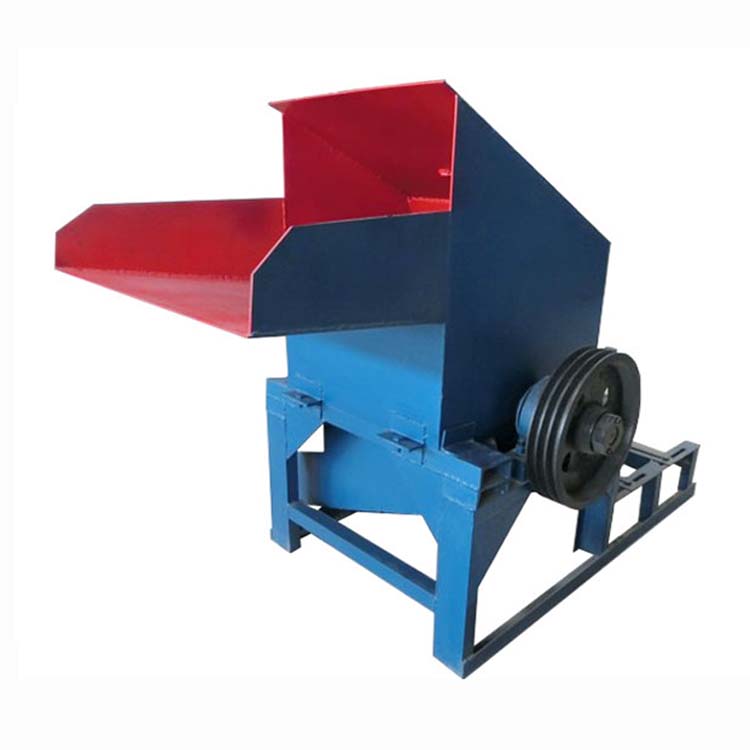
- Heavy-Duty Wet Fish Crusher: Featuring a Q435R carbon steel shell and 13 wear-resistant 40Cr alloy blades, it easily handles tough marine bones without jamming.
- Stainless Steel Jacketed Cooker (φ426 × 5000mm): Constructed with aluminum silicate high-efficiency insulation and 304 stainless steel exterior cladding to minimize heat dissipation.
- Double-Shaft Screw Press (φ180 × 1200-2): Variable frequency speed-controlled twin screws deliver high compressive shear force, mechanically squeezing the maximum water and crude oil out before drying.
- Tubular Rotor Dryer (φ900 × 5000mm, 28 m² heat exchange area): Multi-coil thermal oil heating delivers gentle drying, strictly preventing localized scorch marks and protecting digestible crude protein levels.
- Double Odor Abatement Matrix:
- Tubular Condenser (50 m² area): Condenses pungent cooking steam into industrial wastewater.
- FRP Spray Deodorization Tower + Induced Draft Fan: High-efficiency chemical wash neutralizing foul gases before atmospheric release, comfortably compliant with European environmental limits.
- Crude Fish Oil Recovery Module: Equipped with an insulated static sedimentation and separation tank to harvest high-grade marine fish oil as a premium secondary revenue stream.
4. Building Trust: Overcoming 8,000 Kilometers Through Strict On-Site Verification
Purchasing an entire overseas fish meal production line is a significant capital commitment.
To give our Albanian partners complete peace of mind, the client arranged for their representative in China to carry out a comprehensive on-site factory audit at Shuliy’s production headquarters.
During the tour, their representative inspected:
- The CNC machining precision of our screw press flights and dryer rotor shafts.
- The real thickness of our SUS304 food-grade stainless steel conveyor bodies.
- Operational video archives and references from our running customer sites in the United States, Kazakhstan, and Southeast Asia.
Real-time video calls, transparent progress logs, and rigorous quality check reports convinced the European engineering board.
Soon after confirming the custom power requirements (European Standard: 380V, 50Hz, 3-Phase) and finalize the complete plant layout design (12 × 20 meters), the client smoothly processed the deposit payment in Euros via Swift wire transfer.
5. Delivery and Production Performance
Following 35 days of dedicated manufacturing, dynamic motor balancing tests, and high-pressure heating tests, the complete 500kg/h fish meal production line was neatly anchored into two 40’HQ shipping containers and set sail towards the Port of Durrës, Albania.
Customer Operational Results:
- Yield Efficiency: 500 kg of fresh fish waste yields approximately 110–125 kg of refined fishmeal and 20–30 kg of crude fish oil per hour (subject to raw material fat content).
- Finished Meal Quality: Crude protein content stabilized above 65%, with moisture content below 10%, making it an exceptionally hot-selling product for local Mediterranean aquaculture and poultry feed blenders.
- Zero Boiler Licensing Trouble: The electric heating system enabled fast, plug-and-play mechanical installation without waiting months for boiler approval.
- Odorless Facility: The integrated FRP spray deodorization system eliminated the notorious rotten-fish smell typically associated with rendering plants, maintaining excellent relations with neighboring factories.
6. Real Insights from Shuliy: Selecting Your Ideal Fish Meal Solution
Every ton of discarded fish frame contains real monetary value. When planning your commercial fish meal investment, keep these two foundational factors in mind:
- Energy Availability Dictates Your Design:
- If your plant has easy access to natural gas or heavy oil boilers, a steam-heated fish meal plant yields the lowest unit operating cost for capacities exceeding 1 ton/h. However, if your plant is within city limits, lacks boiler infrastructure, or has processing capacities between 300kg/h to 1000kg/h, an electric thermal oil fish meal production line gives you the fastest path to legal production and operational simplicity.
- Tailored Odor Control is Mandatory:
- Never cut corners on condenser units and deodorization towers. In most coastal areas today, odor control determines whether your business license remains active.
Looking to Turn Marine Waste into High-Margin Profit?
Whether you run a tuna canning factory, a salmon filleting line, or manage harbor fishery offal, Shuliy Machinery delivers engineered-to-order processing systems ranging from 300 kg/h to 50+ tons/day.
Contact our project engineers today for:
- Customized CAD plant footprint designs tailored to your workshop layout.
- Complete return-on-investment (ROI) calculation models.
- Real-time technical consultations and transparent, factory-direct quotations.